
How Long Does It Take to Fix Bad Posture? (Real Timeline Guide)
Introduction
If you've started noticing neck pain, rounded shoulders, or forward head posture, you're probably wondering: how long does it actually take to fix bad posture?
The good news is that posture improvement happens faster than most people expect. With consistent habits, targeted exercises, and better daily awareness, noticeable changes can begin within weeks.
This guide explains the real timeline of posture correction, what affects your progress, and how to improve posture safely and efficiently.
Quick Answer: How Long Does It Take to Fix Bad Posture?
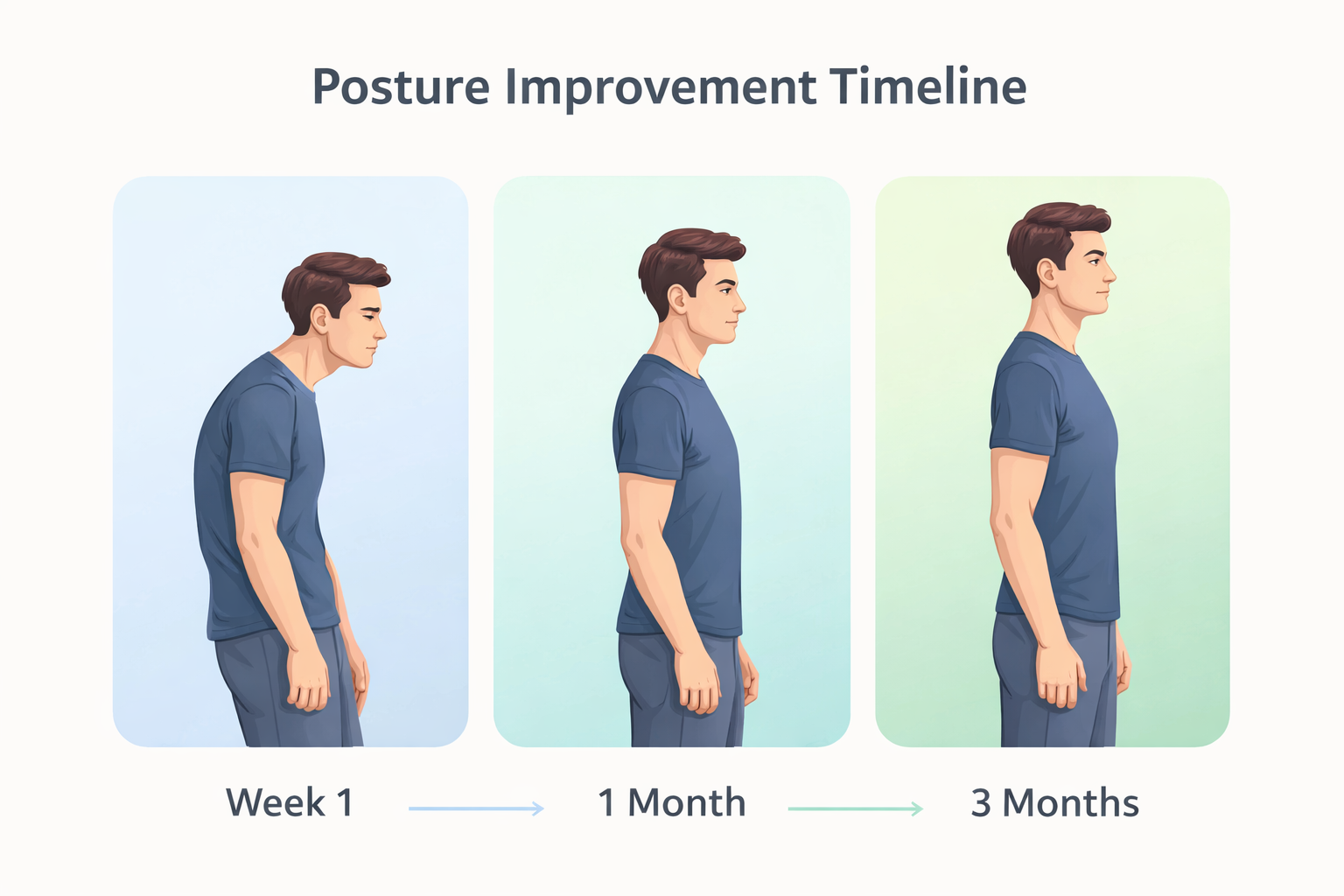
Most people notice early posture improvements within 2-4 weeks of consistent correction habits. Visible physical changes typically appear after 1-3 months, while long-term posture correction may take 3-6 months depending on lifestyle, muscle strength, and daily posture habits.
Fastest results usually come from:
- Daily posture exercises (5-10 minutes)
- Correct desk setup
- Regular movement breaks
- Personalized posture assessment
Can Bad Posture Really Be Fixed?
Yes. In most cases, bad posture is functional rather than permanent.
Poor posture develops gradually due to modern habits such as:
- Long hours sitting at desks
- Looking down at phones
- Weak core and upper back muscles
- Muscle imbalances from inactivity
Your body adapts to repeated behavior. Fortunately, it can also adapt back when healthier movement patterns are introduced.
With consistent correction, muscles relearn proper alignment and posture improves naturally over time.
Posture Improvement Timeline Overview
| Timeframe | What Changes | What You Feel |
|---|---|---|
| 1-2 Weeks | Awareness improves | Less stiffness |
| 3-4 Weeks | Early alignment changes | Reduced neck tension |
| 1-3 Months | Muscle adaptation | Straighter posture |
| 3-6 Months | Habit transformation | Natural upright posture |
A Realistic Timeline for Posture Improvement
Week 1-2: Awareness Phase
During the first weeks, improvements are mostly neurological.
You may notice:
- Increased awareness of slouching
- Mild muscle soreness
- Easier upright sitting for short periods
Your brain is learning new alignment patterns.
Month 1: Early Visible Changes
After 3-4 weeks:
- Shoulder positioning slightly improves
- Neck tension decreases
- Sitting upright feels more natural
Small improvements here indicate that posture muscles are activating correctly.
Month 2-3: Muscle Adaptation
This stage brings clearer physical change:
- Reduced forward head posture
- Stronger upper back muscles
- Better spinal alignment
- Less fatigue while sitting
Muscles begin supporting posture automatically.
4-6 Months: Habit Integration
Good posture becomes your default rather than conscious effort. Movement patterns stabilize, and long-term improvement becomes sustainable.
What Affects How Fast Posture Improves?
1. Consistency
Short daily exercises outperform occasional long workouts. Consistency matters more than intensity.
2. Daily Sitting Habits
Exercises alone cannot overcome poor daily posture.
Key adjustments:
- Screen at eye level
- Feet flat on the floor
- Relaxed shoulders
- Frequent movement breaks
3. Muscle Strength and Mobility
Important muscle groups include:
- Upper back muscles
- Core stabilizers
- Glutes
- Deep neck flexors
Weak support muscles slow posture correction.
4. Individual Differences
Age, flexibility, injury history, and activity level all influence recovery speed. Personalized feedback often accelerates progress.
3 Exercises That Speed Up Posture Correction
1. Chin Tucks
Corrects forward head posture.
- Sit upright
- Gently pull chin backward
- Hold 5 seconds
- Repeat 10 times
2. Chest Stretch
Opens tight chest muscles.
- Extend arms outward
- Stretch gently
- Hold 20-30 seconds
3. Wall Posture Check
Builds alignment awareness.
- Stand against a wall
- Heels, hips, and shoulders touching
- Hold for 30 seconds
Repeat several times daily.
Common Mistakes That Slow Posture Progress
Many people struggle because of small but critical mistakes:
- Trying to sit perfectly all day (creates tension)
- Training only chest muscles
- Ignoring daily habits
- Exercising inconsistently
- Following generic advice without assessment
Correcting posture works best when exercises match your specific imbalance.
Why Many People Plateau
A common issue is misidentifying the real posture problem.
For example:
- Rounded shoulders may actually stem from forward head posture.
- Exercises then target the wrong muscles.
Without proper assessment, progress slows despite effort.
When AI Posture Analysis Can Help
Modern posture analysis tools use computer vision to evaluate body alignment from photos.
Instead of guessing, you can:
- Identify posture imbalances
- Detect weak areas
- Receive personalized exercise suggestions
- Estimate improvement timelines
This removes trial and error and helps you improve posture more efficiently.
Find Out Your Personal Posture Timeline
Everyone improves at a different speed.
Upload your photos and instantly discover:
- Your posture score
- Key imbalance areas
- Personalized correction plan
- Estimated improvement timeline
Upload Photos -> Get Your Posture Score
Build Better Posture Habits (Not Quick Fixes)
Posture improvement is not about forcing perfect alignment all day.
Long-term success comes from:
- Small daily adjustments
- Strengthening support muscles
- Increasing awareness
- Building sustainable habits
Consistency transforms posture over time.
FAQ
How long does it take to correct posture naturally?
Most people notice improvement within 4-8 weeks when practicing daily posture habits and exercises consistently.
Can bad posture be reversed permanently?
Yes. When muscle strength and daily behaviors change, posture improvements can become long-lasting.
Why does my posture improve and then worsen again?
Usually because daily sitting habits remain unchanged. Exercise alone is not enough without lifestyle adjustments.
What is the fastest way to improve posture?
Combining posture exercises, ergonomic setup, and personalized posture analysis produces the fastest results.
Do posture correctors actually work?
They may provide temporary support, but long-term posture improvement requires strengthening muscles and changing habits.
Final Thoughts
Fixing bad posture is a gradual but achievable process. Most people experience early improvements within weeks and meaningful changes within a few months.
Start small, stay consistent, and allow better habits to reshape your posture naturally over time.